
Taking the first step toward better hearing health can feel like a big decision, but it’s a positive and empowering one. If you’ve been considering a hearing test in Wilmington, you’re already on the right path to reconnecting with the world around you. At Hearing Aid Studio, we believe that understanding the process is key to feeling comfortable and confident. This guide will walk you through everything you need to know about your first hearing test, from preparation to understanding your results and exploring the next steps.
Whether you’re in Wilmington or searching for a hearing test in Leland, our team is here to provide expert, compassionate care. We’re dedicated to helping you hear better, and that journey begins with a comprehensive hearing evaluation. Let’s explore what you can expect during your visit.
How Should You Prepare for Your First Hearing Test?
Proper preparation can make your first hearing test a smooth and stress-free experience. By gathering the right information and knowing what to expect, you can help your audiologist understand your hearing health more completely. This preparation ensures that your evaluation is as accurate and personalized as possible, setting the stage for a successful outcome.
What Steps Can Help You Get Ready for Your Audiologist Appointment?
Before your appointment, take some time to think about your hearing concerns. When did you first notice a change in your hearing? Do you struggle to hear in specific environments, like crowded restaurants or quiet settings? Making a few notes about your experiences can be incredibly helpful. Consider asking a close friend or family member if they’ve noticed any changes in your hearing, as their perspective can provide valuable insights.
It’s also a good idea to avoid exposure to loud noises for at least 16 hours before your test. Loud sounds can cause temporary threshold shifts, which might affect the accuracy of your results. Protecting your ears in the hours leading up to your hearing test in Wilmington will help ensure the evaluation reflects your true hearing abilities. Finally, make sure you get a good night’s sleep and are well-rested for your appointment.
Which Personal and Medical Information Should You Bring?
Your audiologist will need a complete picture of your health to provide the best care. Be prepared to discuss your medical history, including any chronic conditions like diabetes or heart disease, which can be linked to hearing loss. A list of your current medications is also important, as some drugs can affect hearing.
Bring your driver’s license and insurance card, as this information will be needed for our records. If you have had a previous hearing test, bringing a copy of the results can be very useful for comparison. This background information allows your audiologist to conduct a more thorough and informed evaluation, leading to a more precise diagnosis and treatment plan.
What Happens During the Hearing Evaluation Steps?
The hearing evaluation itself is a non-invasive and painless process. It’s designed to measure your ability to hear a variety of sounds and understand speech. At Hearing Aid Studio, our licensed audiologist will guide you through each step, explaining what is happening and ensuring you feel comfortable throughout the appointment. The entire process is designed to be a conversation, not just a test.
How Does the Audiologist Conduct Diagnostic Audiometry?
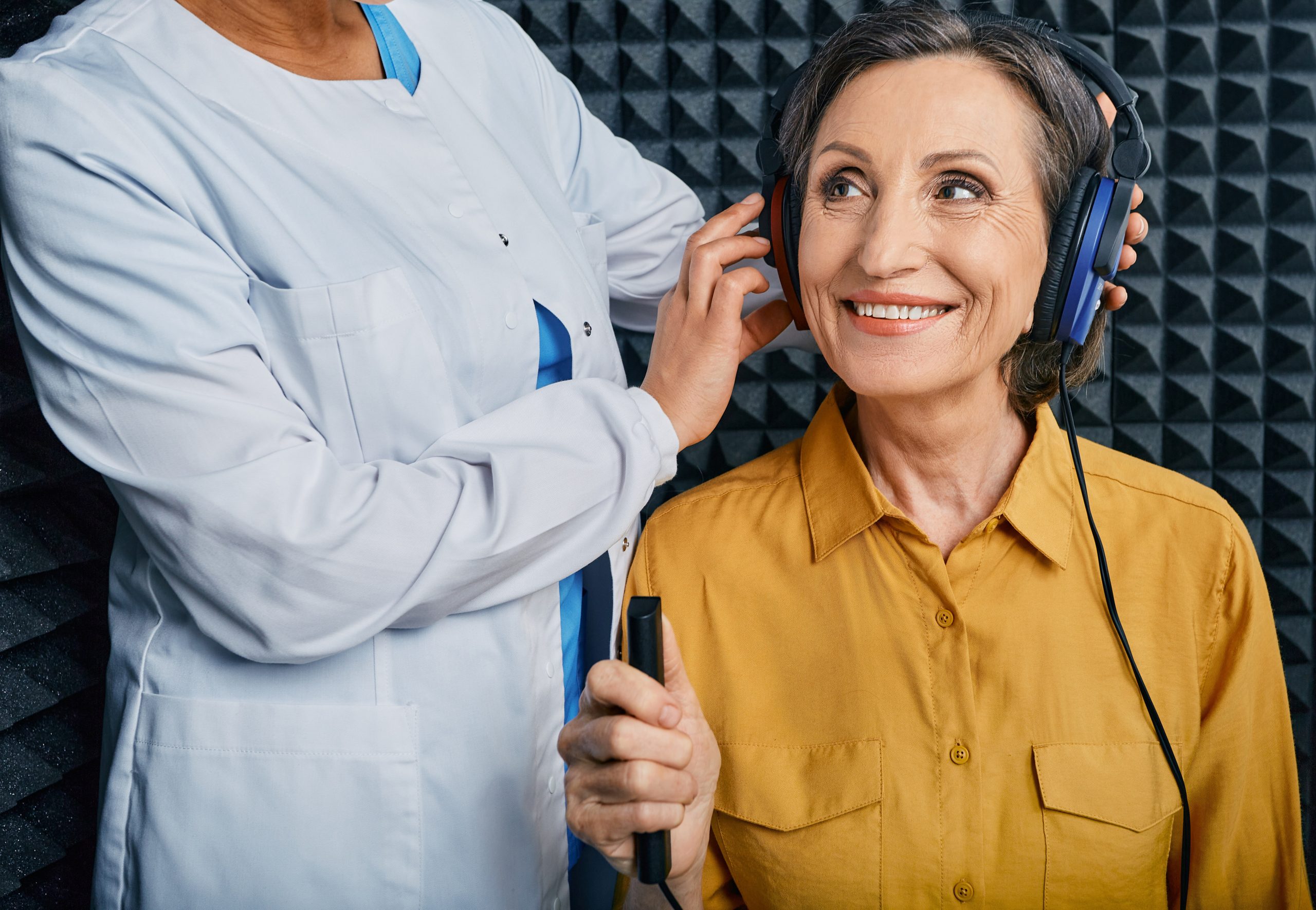
Diagnostic audiometry is the core of the hearing evaluation. You will be seated in a sound-treated room or booth, wearing a set of headphones. The audiologist will play a series of tones at different frequencies and volumes into one ear at a time. Your task is to simply press a button or raise your hand whenever you hear a tone, no matter how faint it may be.
This part of the test, known as pure-tone audiometry, determines your hearing thresholds—the softest sounds you can hear at each frequency. The audiologist will also likely conduct bone conduction testing, which involves placing a small device behind your ear to send vibrations directly to the inner ear. This helps determine whether the hearing loss originates from the outer/middle ear or the inner ear.
What Are the Common Hearing Test Types You May Experience?
In addition to pure-tone testing, your audiologist will likely perform a speech audiometry test. This evaluates how well you can understand spoken words at different volumes. You will be asked to repeat words that are spoken at various loudness levels, both in quiet and with background noise. This test is crucial for understanding how your hearing loss impacts your daily communication.
Another common test is tympanometry, which assesses the health of your middle ear. A small probe is placed in your ear canal, and a small amount of pressure is applied to measure the movement of your eardrum. This helps rule out issues like fluid in the middle ear or problems with the ossicles (the tiny bones of the middle ear). These tests, combined, provide a comprehensive picture of your hearing health.
How Do You Understand Your Hearing Test Results?
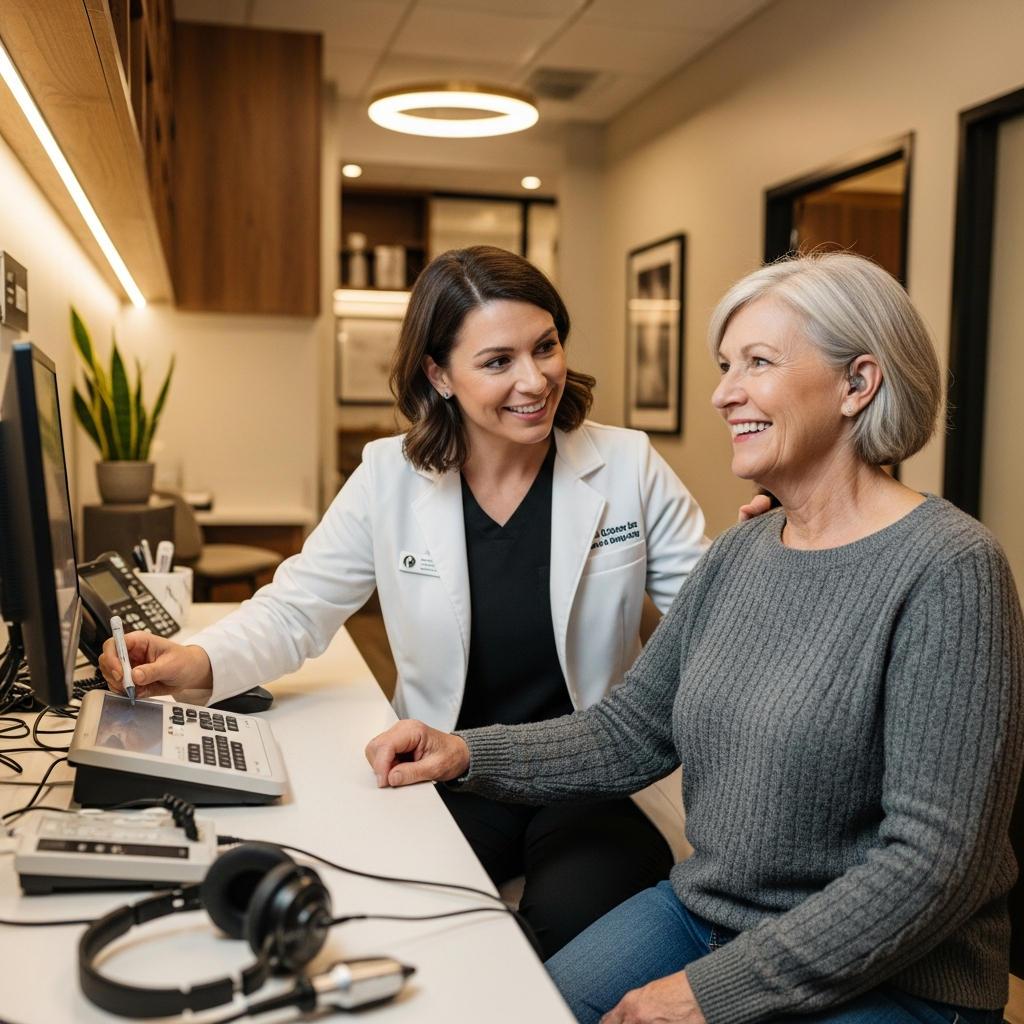
Once the evaluation is complete, your audiologist will review the results with you in detail. The results are plotted on a graph called an audiogram, which shows your hearing thresholds at different frequencies. Understanding this graph is the first step in understanding your hearing loss and the treatment options available to you.
What Do Different Hearing Loss Diagnoses Mean?
Your audiogram will reveal the degree and type of your hearing loss. The degree of hearing loss can range from mild to profound. Mild hearing loss means you may struggle with soft sounds, while profound hearing loss means you may not hear even very loud sounds. The type of hearing loss can be sensorineural (damage to the inner ear or auditory nerve), conductive (a problem in the outer or middle ear), or mixed (a combination of both).
Your audiologist will explain what your specific diagnosis means for you. For example, a high-frequency hearing loss might explain why you have trouble hearing the voices of women and children, while a low-frequency loss might make it difficult to hear vowel sounds. Understanding your diagnosis is a key part of finding the right solution.
How Are Results Explained by Your Audiologist?
Your audiologist will not just hand you a graph. They will take the time to explain what the audiogram means in practical, everyday terms. They will connect the results to the specific hearing challenges you’ve been experiencing. This is a collaborative process, and you should feel free to ask as many questions as you need to.
At Hearing Aid Studio, we believe in empowering our patients with knowledge. We will discuss how your hearing loss may be impacting your life and what can be done to help. This conversation is the bridge between diagnosis and treatment, and it’s where your journey to better hearing truly begins.
What Are the Next Steps After Your Hearing Test?
After your hearing test and a thorough explanation of the results, the next phase of your journey involves exploring treatment options. If your hearing loss is treatable with hearing aids, your audiologist will discuss the different types of devices available and help you choose the best one for your needs, lifestyle, and budget.
When Should You Consider Hearing Aid Consultations?
If hearing aids are recommended, a hearing aid consultation is the next logical step. This is a dedicated appointment where you can explore different hearing aid styles, technologies, and features. Your audiologist will provide a personalized recommendation based on your hearing loss, the physical characteristics of your ear, and your personal preferences.
This consultation is an opportunity to see and touch different devices, learn about their capabilities, and ask detailed questions. Whether you need a discreet in-the-canal model or a powerful behind-the-ear device, the goal is to find a solution that you are comfortable and confident with. This is a crucial step for anyone who has completed a hearing test in Wilmington and is ready to take action.
How Can You Schedule Follow-Up Appointments Near Wilmington and Leland?
Scheduling follow-up appointments is easy. At Hearing Aid Studio, we offer convenient online booking and flexible scheduling to accommodate your needs. Whether you are in Wilmington or looking for a hearing test in Leland, our clinic is easily accessible. Regular follow-up appointments are essential for fine-tuning your hearing aids, monitoring your hearing health, and ensuring you are getting the most out of your devices.
Your hearing journey doesn’t end when you walk out the door with new hearing aids. It’s an ongoing relationship with your audiologist. We are here to support you every step of the way, from initial fitting to long-term care and maintenance.
What Hearing Health Tips Are Recommended for Wilmington and Leland Residents?
Maintaining good hearing health is a lifelong commitment. Beyond hearing tests and hearing aids, there are many things you can do to protect your hearing and improve your overall quality of life. These tips are especially important for residents of active communities like Wilmington and Leland, where there are many opportunities for both quiet relaxation and noisy fun.
How Can Early Testing Improve Hearing Aid Adoption?
One of the most important things you can do for your hearing health is to get tested early. The sooner hearing loss is identified, the sooner it can be treated. Early intervention can slow the progression of hearing loss and reduce its impact on your cognitive health. Studies have shown that untreated hearing loss is linked to a higher risk of dementia, depression, and social isolation.
By getting a baseline hearing test in Wilmington or Leland, you can monitor your hearing over time and take action at the first sign of a problem. Early adoption of hearing aids can make the adjustment process easier and more successful. Your brain will have an easier time adapting to amplified sound if it hasn’t been deprived of it for too long.
What Lifestyle Changes Support Better Hearing Health?
Protecting your hearing from loud noise is crucial. If you work in a noisy environment or enjoy loud hobbies like hunting or attending concerts, always wear hearing protection. Custom-fit earplugs can provide excellent protection without sacrificing sound quality.
A healthy lifestyle also supports good hearing. Regular exercise improves blood flow to the ears, and a balanced diet rich in vitamins and minerals can help protect the delicate structures of the inner ear. Managing chronic conditions like diabetes and high blood pressure is also important, as these can have a negative impact on your hearing.
By taking a proactive approach to your hearing health, you can enjoy the vibrant sounds of Wilmington and Leland for years to come. If you’re ready to take the first step, contact Hearing Aid Studio today to schedule your comprehensive hearing evaluation. We’re here to help you on your journey to better hearing.